English
 Deutsch
 Français
 Español
 Italiano
 Nederlands
 Polski
Travel tips
Morocco Surf Trip Packing List: What to Bring to Taghazout
A practical packing list for a surf trip to Taghazout and Morocco: surf gear, clothes for cool evenings, documents, money,…
Is Taghazout safe for solo travellers, women and families? What to watch out for on land and in the water, with practical tips from people who live and surf here.
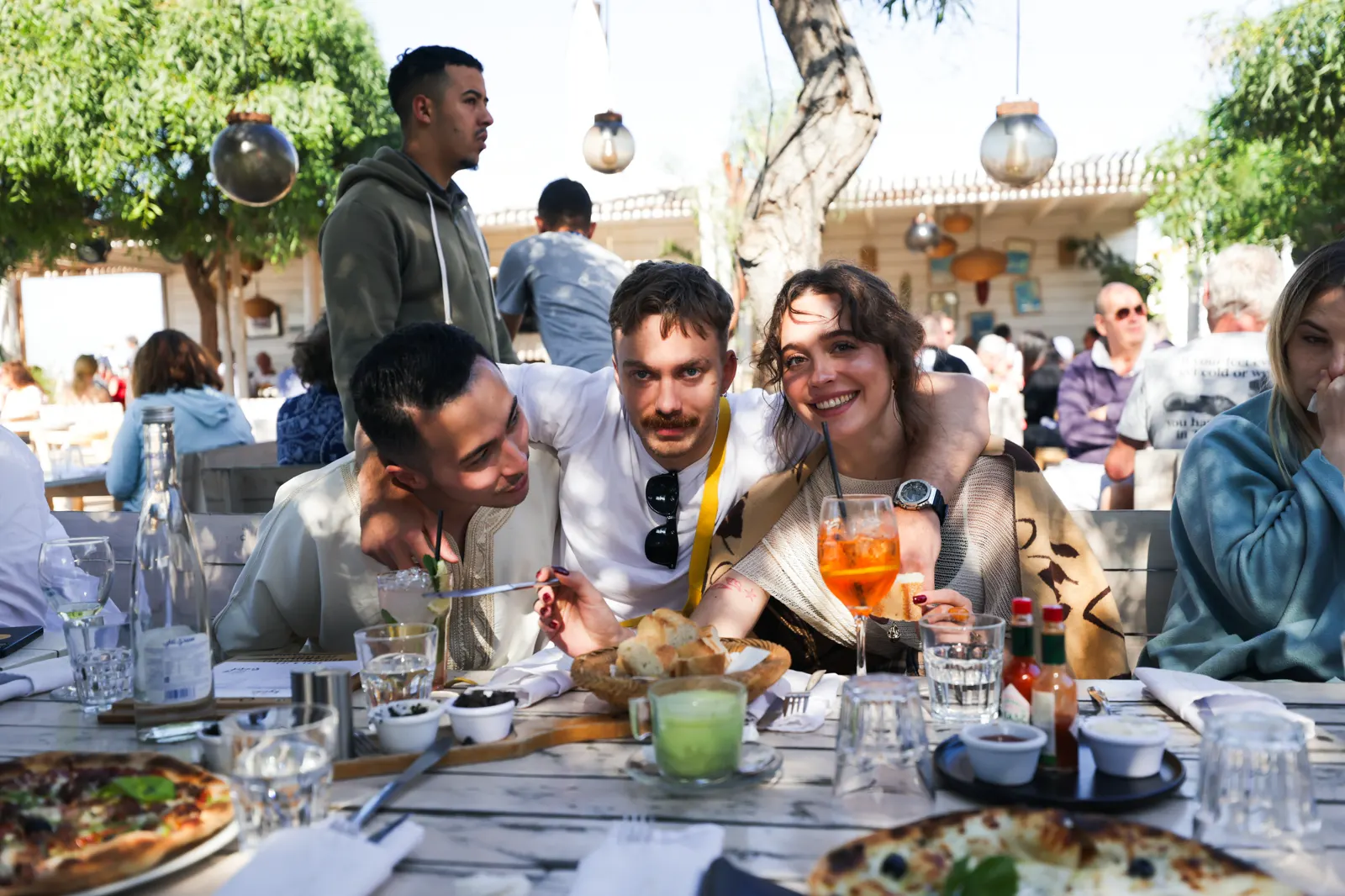
In short: yes, Taghazout is generally a safe and relaxed place for travellers, including solo travellers, women and families. The main risks are the everyday ones of any tourist area (petty theft, overcharging) and, above all, the ocean: respect the conditions and your level.
Taghazout has welcomed surfers from all over the world for decades, and the village lives from them. Like anywhere, a few simple habits make a trip smoother. This guide covers the questions people ask us most.
Many people travel to Taghazout alone, and surf camps make it easy to meet others from the first day. Women travelling alone generally feel comfortable in the village and the surf scene. Dressing respectfully away from the beach (shoulders and knees covered) avoids unwanted attention in the villages and towns, and swimwear is normal on the beach.
Families come for the gentle beaches, the sunshine and the slow pace. The main care points are the sun, the sea (see below) and road traffic on the coast road, which has no pavement in places.
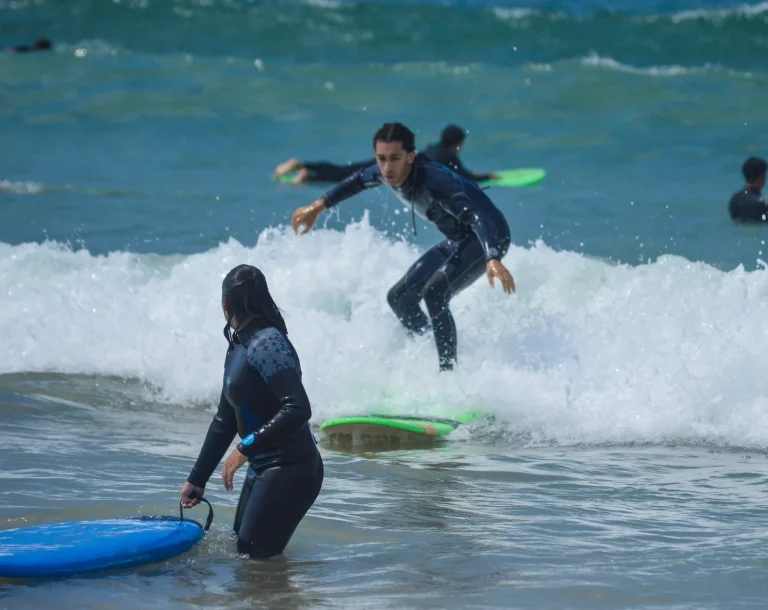
The biggest risks around Taghazout are in the water, not on land.
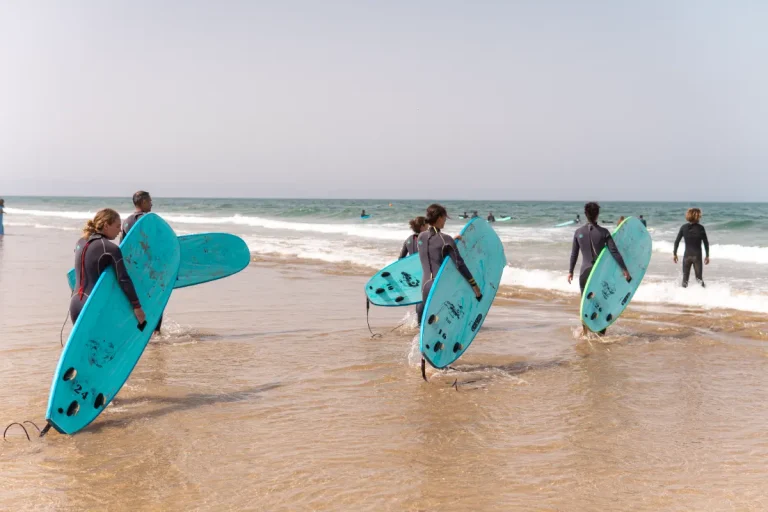
Our surf lessons take place on beaches chosen each morning for the group’s level, with ISA certified instructors.
Use cash machines inside banks or shops when possible, carry small notes in dirhams for taxis and cafés, and keep a card as a backup.
Generally yes. The village is small and lively; use the usual common sense, stay on lit streets and take a taxi for longer distances.
Yes, on the right beach and with an instructor. Avoid the points until you can surf confidently.
Millions of tourists visit Morocco every year. Check your government’s travel advice before you go, as for any trip abroad.
Travelling alone? At a surf camp you surf, eat and go on trips with a group: see our packages or read our complete Taghazout guide.

Mouad runs Surf Camp Morocco in Taghazout and writes about surfing, the bay and travelling in Morocco.
A practical packing list for a surf trip to Taghazout and Morocco: surf gear, clothes for cool evenings, documents, money,…
How much a surf camp in Morocco costs in 2027: typical prices for a week, what is included, the extras…
Morocco has surf all year, but the waves, the crowds and the water change with the seasons. Here is what…
Surf Camp Morocco
Planning a surf trip?
Tell us your dates and your level, and we'll suggest the right package.
Message us on WhatsApp